🌞 Neonatal Jaundice & Biliary Atresia
🔑 Key Learning
-
Neonatal jaundice affects >50% of babies and is often physiological
-
Jaundice <24 hours old is pathological until proven otherwise
-
High levels of unconjugated bilirubin risk kernicterus and permanent neurological damage
-
Phototherapy and exchange transfusion are mainstays of treatment if bilirubin exceeds thresholds
-
Biliary atresia is a rare but serious cause of cholestatic jaundice with pale stools and dark urine
-
Early recognition of biliary atresia is critical — surgery is time-sensitive
🧬 Pathophysiology of Neonatal Jaundice
-
Neonates have:
-
High red cell mass with short RBC lifespan (~70 days)
-
Immature hepatic conjugation systems
-
Result: Accumulation of unconjugated bilirubin
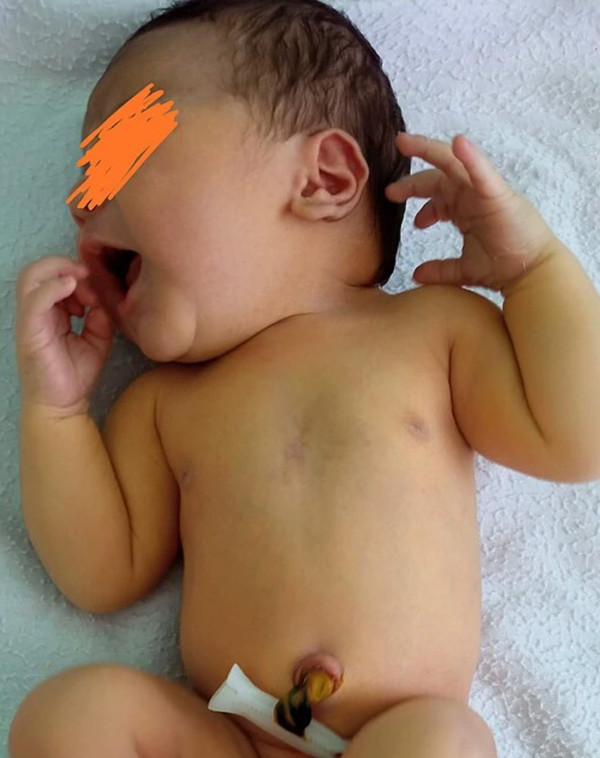 Neonatal jaundice. Muago, CC0, via Wikimedia Commons
📊 Epidemiology
-
50% of term neonates develop jaundice in the first week
-
More common and prolonged in preterm infants
🦠 Causes of Neonatal Jaundice
☀️ Physiological Jaundice
-
Cause: Immature liver conjugation + short RBC lifespan
-
Timing: Appears after 24 hrs, peaks day 3–4, resolves by 2 weeks
-
Benign and self-limiting
🤱 Breast Milk Jaundice
-
Cause: Unclear, thought to be due to breast milk compounds affecting bilirubin metabolism
-
Timing: Starts day 2–4, peaks after 1–2 weeks, may persist up to 3 months
-
Baby is well and thriving
-
Benign and self-limiting
⚠️ Pathological Jaundice
-
Timing: Jaundice <24 hrs, jaundice in unwell neonate
-
Causes include:
-
Haemolysis: Rhesus, ABO incompatibility, G6PD deficiency, hereditary spherocytosis
-
Infection/Sepsis: e.g. UTI, may impair hepatic function
-
Dehydration: from poor feeding
-
Bruising: e.g. cephalohaematoma
-
Risk of rapid rise in bilirubin → bilirubin encephalopathy → kernicterus
👂 Clinical Features of Bilirubin Encephalopathy
Why is jaundice important?
- Unconjugated bilirubin is able to pass through the BBB and cause bilirubin encephalopathy.
- Chronic bilirubin encephalopathy can result in complications
🧠 Acute Phase
-
Lethargy, poor feeding
-
High-pitched cry
-
Hypertonia, opisthotonos
-
Seizures
🧠 Chronic Phase (Kernicterus)
-
Cerebral palsy
-
Developmental delay
-
Sensorineural deafness
-
Learning difficulties
-
Persistent seizures
🧪 Investigations
-
Clinical assessment with bilirubin level plotted on treatment chart
-
Infection screen
-
Haemolysis screen: Blood group, Coombs test, G6PD assay
-
Liver function tests (LFTs)
💊 Management of Neonatal Jaundice
-
Physiological / breast milk jaundice: No treatment unless bilirubin exceeds threshold on treatment chart
-
Treat underlying cause where appropriate (e.g. UTI, dehydration)
-
Phototherapy (Blue light):
-
Converts unconjugated bilirubin to water-soluble pigment
-
Monitor bilirubin 4–6 hourly
-
Stop once bilirubin < threshold
-
Exchange transfusion:
-
Indicated for dangerously high bilirubin
-
Poor response to phototherapy or signs of encephalopathy
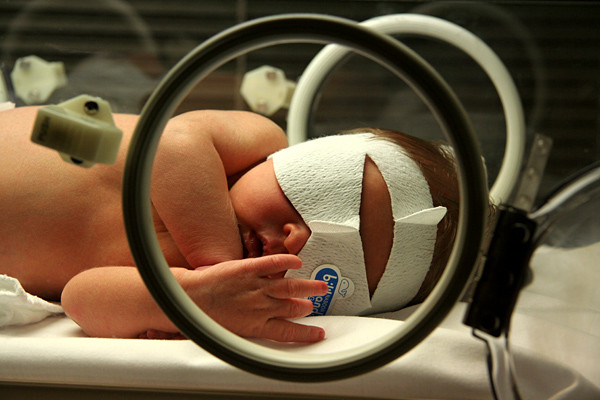 Neonate undergoing phototherapy. Martin Pot (Martybugs at en.wikipedia), CC BY 3.0, via Wikimedia Commons
🚫 Biliary Atresia
🧬 Pathophysiology
-
Obstruction or absence of bile ducts → cholestatic jaundice, bile retention, cirrhosis
-
Progressive liver damage if untreated
👀 Clinical Features
-
Presents age 2–6 weeks
-
Prolonged jaundice with:
-
Pale stools
-
Dark urine
-
Hepatosplenomegaly
-
Abdominal distension
🧪 Investigations
-
Liver biopsy: bile duct proliferation, bile plugs
-
Cholangiogram: confirms diagnosis
💊 Management
-
Kasai portoenterostomy: Connects liver to bowel to drain bile
-
Best if done before 8 weeks of age
-
If late or unsuccessful → liver transplant required
📝 Exam Clues & Clinchers
-
Jaundice <24 hrs → pathological until proven otherwise
-
Jaundiced, pale stools + dark urine → consider biliary atresia
-
Breast-fed baby, thriving, jaundice lasting weeks → breast milk jaundice
-
Neonatal jaundice - check bilirubin and compare to treatment chart → phototherapy
-
Kernicterus = yellow staining of brain from unconjugated bilirubin


